


- Your cart is empty Browse Shop
Do Solar Panels Work in Cloudy Weather?
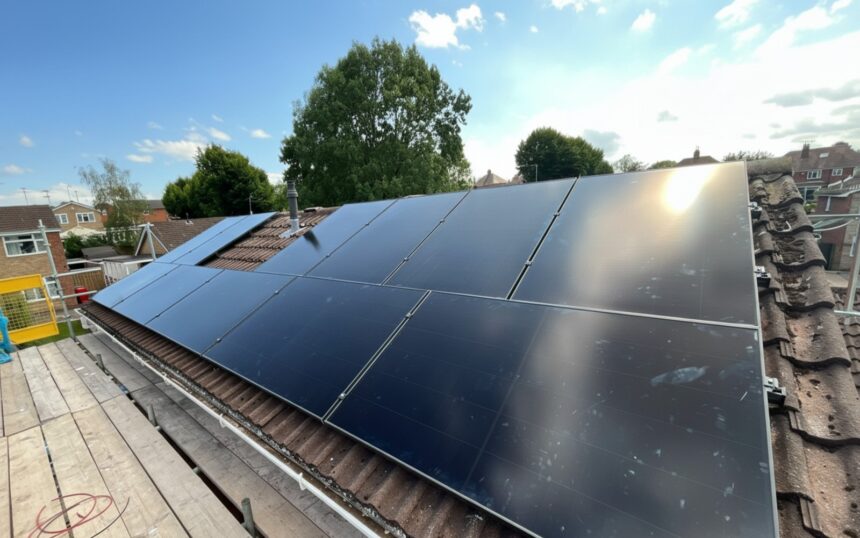
It’s no secret the UK gets more cloudy days than clear ones. So it’s understandable that homeowners ask us at MAKSE Electrical & Renewables:
“Do solar panels actually work in cloudy weather?”
The short answer is yes absolutely. Solar panels don’t need blazing sunshine to generate power. They work on light, not heat, which means they continue producing energy even when the sun is hiding behind the clouds.
This blog breaks everything down in a simple, human way, with real facts, stats, and expert tips to help you understand how dependable solar really is in typical British conditions.
Can Solar Panels Still Produce Energy on Cloudy Days?
Many people think solar panels only work when it’s warm, bright, and sunny. But modern panels are designed to absorb daylight, not heat. Even on an overcast day, plenty of light still filters through the clouds, giving panels enough energy to operate. Cloudy weather doesn’t stop solar, it just reduces output slightly.
How Much Power Do Panels Produce on Cloudy Days?
Most panels generate around 10–25% of their maximum output when skies are heavily overcast. On lighter cloudy days, the drop is far smaller; many homes see 60–80% of normal generation depending on cloud thickness.
Quick breakdown:
- Light cloud: Small drop in energy output
- Moderate cloud: Noticeable reduction
- Heavy cloud: Still producing, but at a much lower rate
- Rainy days: Panels still generate from diffused light
And here’s something many don’t know: panels often work more efficiently when they’re cool, which means cloudy weather can actually help keep cells at their optimal temperature. Learn more about our expert solar installation services at MAKSE Electrical & Renewables.
What Affects Solar Output on Cloudy Days?
1. Type of solar panel
Panels like monocrystalline PV are excellent in low-light conditions. Many of the systems we install at MAKSE Electrical & Renewables use this modern technology because it performs well in real-world UK weather.
2. Panel positioning
A well-angled, well-orientated system captures more light, even through clouds.
Our installations consider your roof angle, shading, and nearby buildings to maximise generation.
3. Cloud thickness
Thick clouds block more sunlight. Lighter, broken clouds allow diffused light through, meaning better energy levels.
4. Temperature
Hot panels can lose efficiency. Cool, cloudy days can improve performance.
The Amazing “Edge-of-Cloud” Effect
One of the most interesting weather-related phenomena is the edge-of-cloud effect. When the sun comes close to the edge of a cloud, light can become concentrated almost like a natural magnifier. For a few moments, panels can produce more power than usual, giving small bursts of extra energy. This effect is common in spring and autumn, when the UK gets plenty of broken cloud cover.
Why Solar Still Makes Sense in the UK?
Here’s something many homeowners don’t realise: Countries with similar or worse weather than the UK such as Germany rely heavily on solar power and generate huge amounts of renewable energy. Germany, which has fewer hours of sunshine than most of England, is one of the world leaders in solar production. The UK’s long daylight hours (especially in summer) and modern panel technology make solar not only viable, but incredibly worthwhile.
How MAKSE Electrical & Renewables Maximises Your Energy Production?
a. High-performance panels
We use efficient, low-light optimised panels that perform strongly in typical British weather.
b. Expert design & installation
A well-designed system makes the biggest difference on cloudy days. We carefully assess:
- Roof angle
- Sun path
- Shading
- Cable lengths
- Inverter location
Every detail boosts generation.
c. Battery storage options
A home battery lets you store the energy your panels produce even on days when production is lower. This helps you rely less on the grid and save more every month.
Real Stats That Matter
Here are a few simple, trustworthy facts:
- The UK has more daylight hours per year than Spain in certain seasons.
- Modern panels convert diffused daylight into usable electricity.
- Solar output can still reach 30–50% efficiency during typical cloudy conditions.
- Between March and September, UK panels can produce up to 70% of their yearly total even with mixed weather.
FAQs
1. Do solar panels still work when it rains?
Yes rain doesn’t block daylight. In fact, rainfall helps wash dust off panels.
2. Are cloudy days bad for solar?
Not at all panels still produce energy, just at a lower rate.
3. Is the UK good for solar?
Absolutely. Britain gets plenty of daylight and cool temperatures, making it ideal for efficient generation.
4. Will I still save money on cloudy days?
Yes your system works all year round, and battery storage boosts savings further.
Conclusion
Cloudy weather doesn’t stop solar panels from working and in a country like ours, that’s essential. Modern panels are engineered to capture diffused daylight, meaning your home can generate clean, renewable energy all year round.
At MAKSE Electrical & Renewables, we design systems built for real British weather, not just clear blue skies. If you’re ready to lower your bills and enjoy reliable, sustainable power, we’re here to help.