
- Your cart is empty Browse Shop
Does Solar Panel Installation Require Planning Permission?
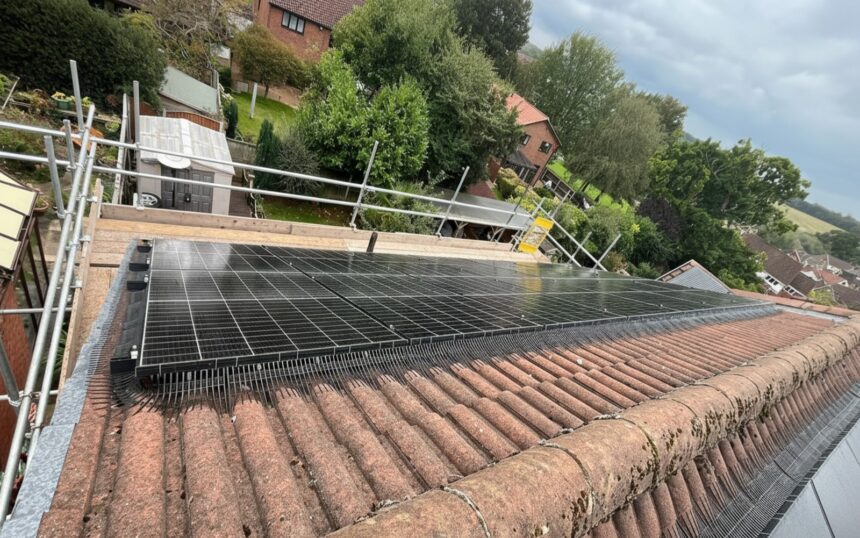
When UK homeowners start exploring solar panels, the same question pops up almost every time: “Do I need planning permission to install solar panels?”
Good news in most cases, you don’t. But there are important rules, exceptions, and limits you should know before booking your installation. At MAKSE Electrical & Renewables, we help homeowners across the UK make the process stress-free. This guide breaks everything down clearly so you know exactly where you stand before going solar.
Why Planning Permission Matters?
Solar panels are one of the most popular home upgrades in the UK. They can cut bills, reduce grid reliance, and boost home value. But because they’re fixed to your roof (or mounted on your land), they fall under UK planning rules.
So before panels go up, it’s worth understanding what’s allowed, what’s restricted, and when you’ll need to submit an application.
Do You Need Planning Permission for Solar Panels?
For the majority of properties, solar panel installation counts as permitted development. That means you’re free to install panels without formal approval, as long as you follow the government’s standard limits and conditions.
This applies to most:
- Semi-detached homes
- Detached properties
- Terraced homes
- Bungalows
- New-builds (unless restrictions apply)
Under permitted development, panels simply need to meet a few design and placement rules — and nearly all domestic systems do.
Key Rules for Roof-Mounted Solar Panels
To qualify as permitted development, your solar panels must follow these guidelines:
1. Panels should not stick out more than 200mm from the roof surface
This includes frame thickness.
2. Panels must not exceed the highest part of your roof
They must sit below the ridge line.
3. Panels should be positioned to reduce visual impact
Installers must place them neatly and safely.
4. Panels cannot be installed on buildings near roads in certain protected areas
This mainly applies to conservation areas (more on that shortly).
At MAKSE Electrical & Renewables, our engineers design your system so it stays within all these rules, no stress, no extra admin.
When Planning Permission Is Required?
While most homes are covered by permitted development, some situations need official approval before work begins.
1. Listed Buildings
Listed buildings require planning permission and often listed building consent. This is because the character of the property must be preserved.
2. Homes in Conservation Areas
If panels face a public road or impact the visible character of the area, permission may be required.
3. Flats or Maisonettes
Because these buildings have shared ownership rules, applications are often needed.
4. Ground-Mounted Panels Above Certain Sizes
Larger ground arrays may fall outside permitted development limits.
5. Roofs With Structural Concerns
If major roof changes are needed, planning approval may be advised.
Ground-Mounted Solar Panels: Different Rules
If panels are going on your land rather than your roof, here’s what to know:
- Only one ground-mounted system is usually allowed under permitted development.
- Panels must not exceed 4 metres in height.
- They must be at least 5 metres from the property boundary.
- Total size must not exceed 9 square metres (roughly one small array).
Larger systems may require planning permission but don’t worry, MAKSE Electrical & Renewables handles all technical details for you.
Why Do These Rules Exist?
Planning regulations aim to:
- Protect historic and conservation areas
- Preserve the look of buildings and neighbourhoods
- Guarantee safe installation
- Ensure renewable energy fits within local planning policies
The good news? UK planning rules actively encourage renewable energy, which is why most homes qualify for permitted development. Find out how our solar installation service maximises your energy savings all year round.
Who Handles Planning Permission?
If planning permission is required:
- MAKSE Electrical & Renewables guides you through every step
- We help with drawings, documents, and system specifications
- We liaise with your local planning authority if needed
For 95% of homes, though, you won’t need any paperwork at all.
Why Choose MAKSE Electrical & Renewables?
- We follow all UK planning rules
- We check permitted development rights before installation
- We design systems that stay within government guidelines
- We provide honest guidance no guesswork, no surprises
- We offer high-efficiency panels, professional installation, and friendly aftercare
Our goal is to make your switch to solar simple, stress-free, and financially rewarding.
FAQs
1. Do I need permission for solar panels on a standard house?
In most cases, no. They usually fall under permitted development.
2. Do flat roofs follow the same rules?
Flat-roof solar can still be permitted development, but height limits differ.
3. What about new-build houses?
Most new-builds allow solar, but some developer covenants may include restrictions.
4. Will planning permission slow the process?
Not usually. Applications take around 6–8 weeks if needed.
5. Can MAKSE check my property for planning needs?
Absolutely we do this during your free consultation.
Final Thoughts
Most homeowners in the UK can install solar panels without planning permission, making it easier than ever to switch to clean, cost-saving energy. With energy bills rising and solar adoption growing, now is a brilliant time to take the first step.
At MAKSE Electrical & Renewables, we design safe, efficient, compliant systems tailored to your home. If you’re unsure about the planning rules for your property, our team will check everything for you.
Ready to power your home with reliable solar energy?
Get in touch with MAKSE Electrical & Renewables today and your future-ready home starts here.