How to Choose the Right EV Charger for Your Home?
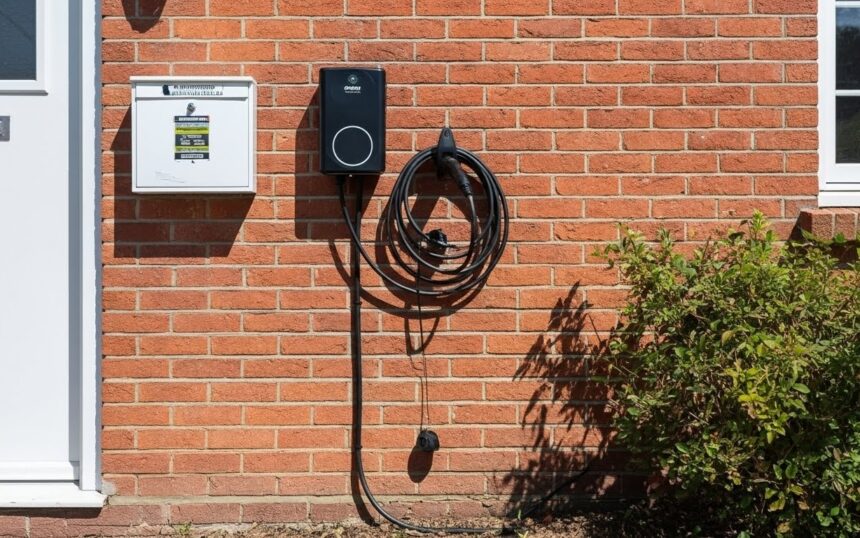
Choosing an EV charger for your home sounds simple until you start searching. Suddenly, you’re faced with different speeds, cables, brands, smart features, tariffs and safety checks. If you’re new to the EV world, it can feel a bit overwhelming. But don’t worry this guide breaks everything down into clear, friendly steps to help you pick the right charger with confidence.
Start with the basics: how fast do you want to charge?
The first thing most homeowners look at is charging speed. For home charging, you’ll usually be choosing between:
- 7kW chargers the most common home option in the UK
- 22kW chargers only available if you have a three-phase supply
- Slow 3kW chargers better as backups than daily chargers
For most households, 7kW is perfect. It’s fast, efficient and charges most EVs from empty to full overnight. If you’re not sure whether you have a single-phase or three-phase supply, no problem your installer will check this for you.
Check your home’s electrical load
Before picking a charger, it helps to know if your home can support it.
A reliable installer (like MAKSE Electrical & Renewables) will run a quick load assessment. This simply checks how much power your home already uses and ensures your charger won’t overload your system. If upgrades are needed, they’ll tell you before installation.
Smart charger or basic charger?
This is where EV charging gets clever.
A smart charger connects to an app and gives you features like:
- Scheduled charging during cheaper off-peak times
- Charging insights and energy reports
- Solar integration if you have solar panels
- Remote control from your phone
- Built-in safety monitoring
Smart chargers can help you save money and use greener energy, especially with time-of-use tariffs. A standard charger will still work perfectly well; it just doesn’t offer the same level of control.
Tethered vs untethered
This simply means:
- Tethered: cable attached (like a petrol pump)
- Untethered: you plug in your own cable
If you prefer convenience, go tethered. If you like a cleaner, minimal look or own two EVs with different connectors, go untethered. There’s no right or wrong, just what feels easier for your daily routine.
Think about where you want it installed
Your charger should fit your lifestyle, not the other way around. Before installation, think about:
- Where do you usually park?
- Which side is your EV charging port on?
- Do you want the charger hidden or proudly on display?
- Will you ever add another EV?
A good installer plans everything neatly so the cable reaches your car comfortably without becoming a tripping hazard.
Safety and certification — don’t compromise
This is your home, so safety comes first. Always choose a charger that meets the latest UK regulations and is installed by a qualified professional.
A proper installation should include:
- RCD protection
- Surge protection
- Load management
- A clean certificate on completion
This is also where choosing a trusted installer makes a huge difference.
Budget wisely
The cost of a home EV charger depends on:
- The charger model
- Installation complexity
- Cable length
- Any extra electrical upgrades
While cheaper chargers exist, they often lack reliability or customer support. It’s better to invest in a trusted brand installed by a reputable team so you get long-lasting performance and peace of mind.
Why does choosing the right installer matter?
A charger is only as good as the person installing it. When you choose a specialist like MAKSE Electrical & Renewables, you get:
- Honest advice on which charger suits your home
- Professional installation that meets all UK safety standards
- Neat, clean workmanship
- Full testing and certification
- After-care support if you ever need help
It’s not just about plugging in a charger, it’s about making the whole experience smooth, safe and stress-free.
FAQs
1. How long does installation take?
Around 2–4 hours, depending on cable routes and consumer unit checks.
2. Do I need planning permission?
No, not for most homes. EV chargers fall under permitted development.
3. Is a smart charger worth it?
Yes they reduce charging costs and support future EV features.
4. Can every home support a charger?
Almost all homes can. Some need minor electrical upgrades first.
5. Which charger is best for small homes?
A compact 7kW smart charger like Hypervolt or Wallbox is ideal.
Final thoughts
Picking an EV charger doesn’t need to be complicated. Once you know your power supply, your preferred features and your daily routine, the right choice becomes clear. And with the right installer, you’ll enjoy fast, reliable, at-home charging that feels effortless every day.
If you need help choosing or installing the perfect EV charger, MAKSE Electrical & Renewables is always here to guide you.