How Much Money Do Solar Panels Save Per Year?

Most UK homes save between £300 and £1,000 per year with solar panels. Larger systems with a battery can save even more.
A typical 4.5kW system without a battery saves around £554 per year. Add a battery, and that jumps to roughly £943 per year.
At Makse Electrical & Renewables, we help homeowners work out realistic savings. Here’s how the numbers actually break down.
Key Takeaways
- Average annual savings: £300-£1,000+ depending on system size
- 4.5kW system, no battery: around £554 per year
- 4.5kW system with battery: around £943 per year
- Some homes with larger systems save over £1,000 yearly
- Savings come from two sources: bill reduction and export payments
How Do Solar Panels Actually Save You Money?
Solar savings come from two separate sources. Understanding both helps you estimate your true total.
a. Self-Consumption Savings
This is electricity you generate and use immediately. It replaces electricity you’d otherwise buy from your supplier.
With the current Ofgem price cap, grid electricity costs around 24.67p per kWh. Every unit of solar power you use directly saves you that amount.
b. Export Payments (Smart Export Guarantee)
Unused solar electricity can be sold back to the grid. This happens through the Smart Export Guarantee, or SEG.
Export rates typically range from 7p to 15p per kWh. Better tariffs mean better returns on your surplus power.
How Much Can I Save By System Size?
Your savings scale with your system size and household usage. Here’s a general guide.
- 3-4kW system, no battery: £300-£600 per year
- 4.5kW system, no battery: around £554 per year
- 4.5kW system, with battery: around £943 per year
- 6kW+ system, with battery: £1,000-£1,500+ per year
These figures assume typical UK sunlight levels and average household usage patterns.
Does Adding a Battery Really Increase Savings?
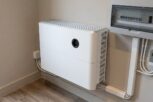
Yes, significantly. Batteries let you use more of your own solar power, rather than exporting it cheaply.
Without a battery, most homes only self-consume 30-50% of their solar electricity. With one, that rises to 70-80% or more.
This matters because using your own power always saves more than exporting it. You save the full 24.67p per kWh, rather than earning 7-15p through export.
Real Example: With and Without a Battery
We compared two similar homes in Yorkshire, both with 4.5kW systems. One had a battery, the other didn’t.
The home without a battery saved around £560 per year. The home with a battery saved close to £940 per year, nearly 70% more.
The battery cost more upfront, but the extra annual savings shortened its overall payback period considerably.
How Does My Location Affect Savings?
Sunlight levels vary across the UK, affecting how much electricity your panels generate. Southern regions typically see higher output.
- South East and East Anglia: highest sunlight levels, strongest savings potential
- Midlands: solid mid-range solar yield throughout the year
- Northern England and Scotland: lower yield, but still worthwhile with correct sizing
A good installer adjusts your system size to match your specific location and roof conditions.
What Affects My Actual Savings Amount?
Several factors influence your final number. Some you can control, others depend on your property.
- Roof orientation: south-facing roofs produce the most usable electricity
- Household usage habits: using appliances during daylight boosts self-consumption
- System size: larger systems generate more electricity to use or export
- Battery storage: significantly increases how much solar power you actually use
- Export tariff rate: shopping around for better SEG rates increases returns
- Shading: trees or buildings blocking sunlight reduce total output
Small changes, like running your washing machine at midday, can meaningfully boost savings.
How Can I Maximise My Solar Savings?
A few simple habits help you get more value from your system. None require major investment.
- Run high-energy appliances during daylight hours where possible
- Compare SEG export tariffs regularly, rather than sticking with one supplier
- Consider adding a battery if you’re often out during the day
- Keep panels clean and well-maintained for consistent output
- Monitor your system’s app to track and improve performance over time
These small adjustments often add up to noticeable savings over a year.
Does the Electricity Price Cap Affect My Savings?
Yes, directly. Higher grid electricity prices mean each self-consumed kWh saves you more money.
As of April 2026, the Ofgem price cap sits at 24.67p per kWh. If grid prices rise again, your solar savings rise with them.
This is one reason many homeowners see solar as protection against future energy price increases.
Frequently Asked Questions
- How much do solar panels save per year on average in the UK?
Most UK homes save between £300 and £1,000 per year. Exact savings depend on system size, usage, and whether you have a battery. - Do solar panels save more money with a battery?
Yes. Batteries typically increase annual savings by 50-70%, since you use more of your own generated electricity. - How much can I earn through the Smart Export Guarantee?
SEG rates typically range from 7p to 15p per kWh. Annual export earnings usually total £50-£500, depending on system size. - Do solar panels save money in winter?
Yes, though savings are lower. Panels still generate electricity on cloudy days, since they need daylight, not direct sun. - Is self-consumption or exporting more valuable?
Self-consumption is almost always more valuable. You save the full retail electricity price, rather than the lower export rate. - How long until my solar panels pay for themselves?
Most systems pay back within 6-14 years, depending on size, battery inclusion, and household usage patterns. - Can I increase my savings without buying a battery?
Yes. Running appliances during daylight hours increases self-consumption, boosting savings even without storage. - Do savings estimates account for panel degradation?
Yes, reputable installers factor gradual efficiency loss into long-term savings projections, so figures remain realistic over time.
Find Out What You Could Save
Every home’s savings potential is different. Roof space, usage habits and location all play a part.
Makse Electrical & Renewables offers free, no-obligation solar surveys across the UK. Book your free survey or explore our battery storage options to maximise your savings.