Solar Panel Myths That Need to Be Debunked
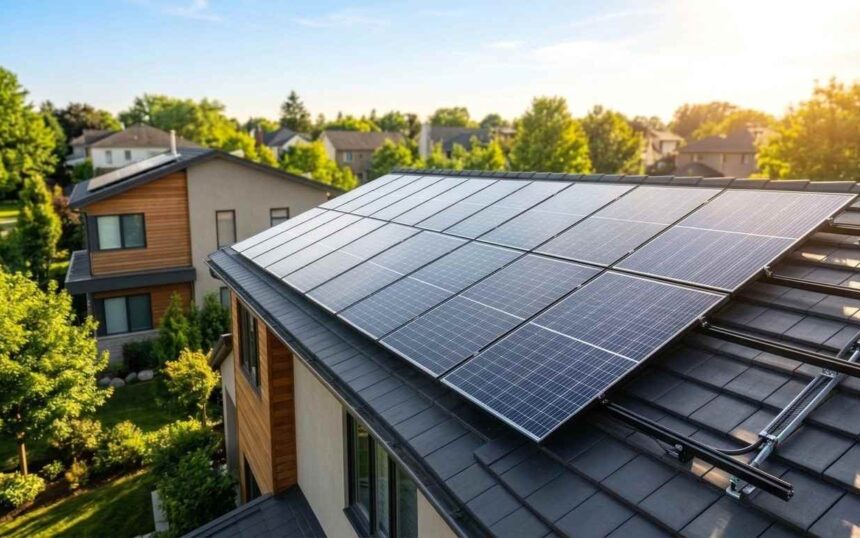
Solar panels do work in the UK, even on cloudy days. Many common beliefs about solar power simply aren’t true. These myths often stop homeowners from saving money.
Below, we debunk the most persistent solar panel myths. Each answer is backed by real installation experience. Let’s separate fact from fiction.
Key Takeaways
- Solar panels generate electricity even in cloudy weather.
- They still work well on east or west-facing roofs.
- Maintenance requirements are minimal, not constant.
- Panels don’t damage your roof when properly installed.
- Solar panels remain effective for 25 years or more.
Myth 1: Solar Panels Don’t Work in Cloudy Weather
This is false. Solar panels generate electricity from daylight, not direct sunshine alone.
UK solar panels typically produce 60–70% of clear-sky output on overcast days. That’s still substantial generation, even without full sun.
The UK’s climate suits solar better than most people assume. Germany, a cloudier country, remains a global solar leader.
Myth 2: Solar Panels Are Too Expensive to Be Worth It
Solar costs have dropped significantly over the past decade. Average system prices are roughly 60% lower than in 2010.
Most homeowners now see payback within 6–10 years. After that, generated electricity is essentially free.
Combined with rising energy prices, savings are accelerating further. Many households recoup costs faster than expected.
Myth 3: Solar Panels Will Damage My Roof
Properly installed panels don’t damage your roof. In fact, they often protect the covered area from weather.
Qualified installers use secure mounting systems designed for UK roofs. These distribute weight evenly and avoid structural stress.
Problems only arise from poor installation, not the panels themselves. Always choose a certified, experienced solar installation team.
Myth 4: You Need a South-Facing Roof for Solar to Work
South-facing roofs perform best, but they’re not essential. East and west-facing roofs still generate significant electricity.
Typical output loss is around 15–20% compared to south-facing. That’s still enough for meaningful savings.
Roof direction affects output, not viability. Most UK homes can benefit from solar regardless of orientation.
Solar Myths vs Reality: Quick Comparison
| Myth | Reality |
| Doesn’t work in cloudy weather | Generates 60–70% output on overcast days |
| Too expensive to be worthwhile | Payback typically within 6–10 years |
| Damages your roof | Protects roof when properly installed |
| Needs south-facing roof | Works on most roof orientations |
| High maintenance required | Minimal upkeep needed |
Understanding these facts helps homeowners make confident decisions.
Myth 5: Solar Panels Require Constant Maintenance
Solar panels need very little maintenance in practice. Most systems run reliably for decades with minimal attention.
Occasional cleaning removes dust, pollen, or bird droppings. Rain naturally clears most debris throughout the year.
Annual inspections are recommended, not essential. This checks connections and confirms optimal performance levels.
Myth 6: Solar Panels Stop Working After a Few Years
Quality solar panels last 25 years or longer. Most manufacturers offer warranties covering this exact period.
Performance does degrade slightly over time, but very gradually. Expect roughly 0.5% output reduction per year on average.
After 25 years, panels typically still generate 80–85% of original output. That’s far from “stopping working” entirely.
Myth 7: Solar Panels Only Save Money If You Use a Lot of Electricity
Even modest energy users benefit from solar panels. Savings scale with your household’s actual consumption patterns.
Low-usage households often see faster percentage-based savings. They rely on grid electricity less overall, proportionally speaking.
Adding battery storage increases savings further for any household. It maximises self-consumption regardless of usage level.
Real-World Example: Staffordshire Homeowner Scepticism
A recent customer in Staffordshire believed solar wouldn’t suit their east-facing roof. They’d read conflicting information online beforehand.
After a professional assessment, we modelled realistic annual output. The figures showed strong savings potential despite the orientation.
Twelve months post-installation, their electricity bills dropped by 58%. The myth about east-facing roofs proved completely unfounded.
How Can I Separate Solar Facts From Myths?
Follow these steps before believing solar panel claims online.
- Check the source – Trust MCS-certified installers over forum posts.
- Request a personalised assessment – Generic claims don’t reflect your specific roof.
- Ask for real performance data – Request examples from similar local installations.
- Compare multiple quotes – Genuine installers explain figures transparently.
- Read manufacturer warranties directly – These clarify realistic panel lifespans.
Frequently Asked Questions
- Do solar panels really work in the UK climate?
Yes, UK solar panels generate reliable electricity year-round. Cloudy weather reduces output but doesn’t eliminate it. - Is it true solar panels are bad for older roofs?
Not necessarily true. A professional survey checks roof condition first. Reinforcement is sometimes recommended, not always required. - Do solar panels really pay for themselves?
Yes, most systems reach payback within 6–10 years. After that, generated electricity effectively becomes free. - Is it a myth that solar panels increase home insurance costs?
Largely a myth. Most insurers simply require notification, not higher premiums. Always confirm with your specific provider. - Do solar panels work during a power cut?
Standard systems shut off automatically for safety reasons. Battery storage with backup capability can change this. - Is it true solar panels reduce your home’s value?
The opposite is generally true. Energy-efficient homes often sell faster and command higher prices. - Do I need planning permission for solar panels?
Most UK homes qualify for permitted development rights. Listed buildings or conservation areas may need extra approval.