


- Your cart is empty Browse Shop
How Does an EV Home Charger Work?
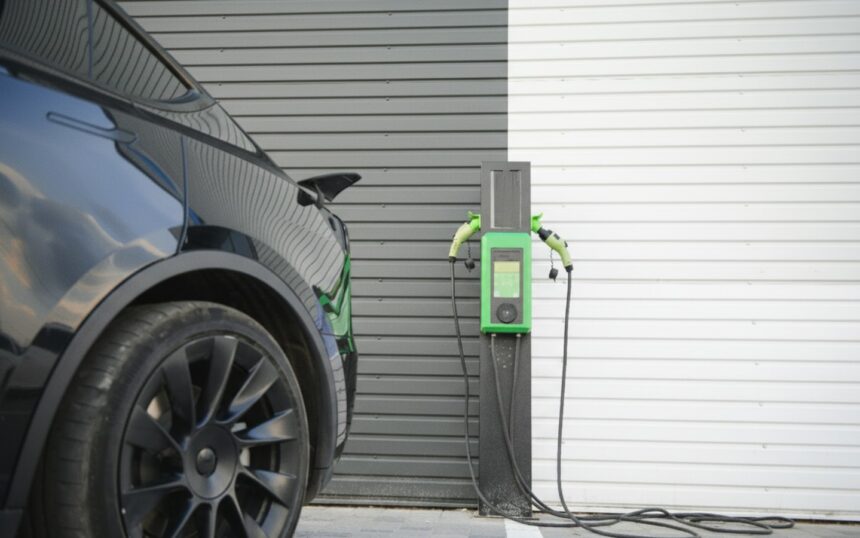
If you’ve recently bought an electric vehicle or you’re thinking about switching soon, one thing becomes clear: straight away charging at home is the biggest convenience you could ever give yourself. No queues. No rising public charging costs. No waiting around in car parks.
But many homeowners still ask us at MAKSE Electrical & Renewables:
“How does an EV home charger actually work?”
Don’t worry, you’re not alone. EV charging feels technical from the outside, but once you understand the basics, it’s surprisingly simple. In this blog, we’ll break everything down in a friendly, everyday way. No confusing jargon. No textbook-style explanations. Just a clear look at what happens behind the scenes each time you plug your car in.
What Does an EV Home Charger Actually Do?
We’ll start with the biggest misconception: a charger doesn’t “create” power. It simply controls, regulates and safely delivers the electricity already coming into your home. Think of it like a smart controller. Its job is to:
- Manage how much electricity your EV receives
- Prevent overloads in your home’s supply
- Communicate with your car to adjust charge levels
- Shut off automatically when your battery is full
- Keep charging safely at all times
So instead of a basic power output like a 3-pin socket, an EV charger gives your vehicle a steady, controlled and much faster flow of energy.
How Power Moves From Your Home to Your Vehicle?
Every charge follows the same simple path. Here’s what actually happens:
1. Electricity is drawn from your home supply
The charger connects directly to your consumer unit. This gives it a strong, dedicated power supply.
2. The charger regulates the energy
Most UK homes use a 7kW charger, which is ideal for overnight charging. The charger decides how much power your car needs and keeps the flow stable.
3. Power travels through the charging cable
This can be:
- Tethered (built-in cable)
- Untethered (you use your own cable)
Either way, the charger ensures a safe transfer from your wall to your EV.
4. Your EV’s onboard charger converts AC to DC
The AC electricity from your home becomes DC, which is what your battery stores.
5. Charging stops automatically
Once your battery hits 100%, the charger shuts off.
No risk of overcharging. No wasted energy.
It’s simple, quiet and efficient, all happening behind the scenes while you sleep.
Why Smart Chargers Make Life Even Easier?
Not all chargers are equal. Smart chargers offer features that genuinely make EV ownership easier and cheaper.
Here’s what you gain:
- Cheaper off-peak charging
- Full control through a smartphone app
- Charging history and usage reports
- Built-in safety and power balancing
- Option to pair with solar panels
- Automatic stop/start scheduling
These aren’t just “nice extras”, they help homeowners cut costs, stay safe and extend their EV’s battery life.
Your Charger Is Packed With Safety Technology
Electric vehicles use high-power systems, which is exactly why proper chargers come with built-in safety features such as:
- RCD protection to stop electrical faults
- Surge protection against supply spikes
- Load balancing to protect your fuse board
- Weatherproof casing for outdoor installations
- Automatic shut-off to prevent overheating
This is why professional installation matters. A trained installer ensures the charger, cabling and internal protection are set up safely and correctly.
How MAKSE Electrical & Renewables Installs an EV Home Charger?
A good installation makes all the difference. At MAKSE Electrical & Renewables, we don’t rush jobs or cut corners. We deliver neat, safe and long-lasting work, and our customers love us for it.
Our installation process looks like this:
1. Free home assessment, we inspect your existing supply and choose the best location.
2. Load checks and safety testing, we make sure your home can support a 7kW charger safely.
3. Installing the charger and wiring every cable is neatly run, clipped and protected. We don’t leave messy work behind.
4. Full testing + certification, you receive proper documentation showing your charger meets UK regulations.
5. After-care support, if you need help, we’re a phone call away with no call-out headaches, and yes, if you’re planning solar panels in the future, we can match your charger with your renewable setup.
FAQs
1. How long does a home charger last?
Most EV chargers last 8–12 years, depending on usage and brand.
2. Is charging at home cheaper than public charging?
Absolutely. Home charging can be 70% cheaper, especially on off-peak tariffs.
3. How long does a charger take to install?
Usually around 2–4 hours.
4. Can I use my charger in the rain?
Yes. All home chargers are fully weatherproof in the UK.
Final Thoughts
A home EV charger is smarter and safer than most people realise. Once installed, it quietly manages your charging for years, giving you comfort, control and convenience every single day.
At MAKSE Electrical & Renewables, we install high-quality EV chargers across the UK with clean workmanship, fair pricing and complete peace of mind.