


- Your cart is empty Browse Shop
What is an EICR?
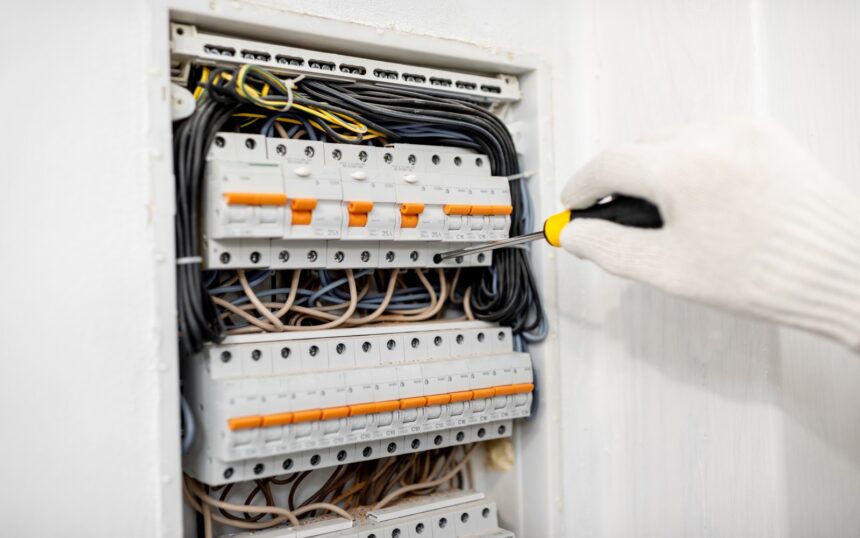
Discover what an EICR is, why it matters, and how MAKSE Electrical & Renewables ensures your home or rental property is safe and compliant with UK electrical standards.
If you own a home or rent out a property in the UK, the term EICR may already have crossed your path. But what exactly is it, and why is it important?
An Electrical Installation Condition Report is a detailed safety inspection of your property’s electrical system. It highlights any faults, outdated wiring, or potential hazards, helping prevent accidents and electrical fires.
At MAKSE Electrical & Renewables, we carry out professional EICR inspections across the UK, giving property owners and landlords peace of mind, full compliance, and expert advice on any repairs or upgrades needed.
Why is an EICR Important?
Electrical faults are a major cause of house fires in the UK. In fact, over 20,000 fires every year are linked to electrical issues, according to the UK Fire and Rescue Service.
An EICR identifies issues before they become dangerous, protecting lives and property. It’s also a legal requirement for landlords and strongly recommended for homeowners, particularly in older properties.
What Does an EICR Check?
During an EICR inspection, a qualified electrician examines every aspect of your property’s electrical installation, including:
- Fuse boards and consumer units ensure safety and compliance
- Wiring checking for wear, damage, or outdated materials
- Sockets and switches confirming they are safe to use
- Earthing and bonding protect against electric shock
- Circuit protection devices verify that fuses and breakers work correctly
- Signs of overheating or fire risk spotting potential hazards early
The inspection follows BS 7671 Wiring Regulations, the UK standard for electrical safety.
How Often Should an EICR Be Done?
- Rental properties: Every 5 years
- Owner-occupied homes: Every 10 years
- Commercial properties: Every 5 years or sooner if high risk
- Before buying or selling: Recommended
Older properties may require more frequent inspections, particularly if wiring is original or outdated.
Understanding EICR Codes
After an EICR inspection, you’ll receive a report with codes indicating the safety status of your electrical installation:
- C1 – Danger present: Immediate action required
- C2 – Potentially dangerous: Urgent repair needed
- C3 – Improvement recommended: Not dangerous, but worth updating
- FI – Further investigation required: More checks needed
If you receive C1 or C2 codes, repairs must be completed to make the system safe.
How Long Does an EICR Take?
Domestic EICRs usually take 2–4 hours, depending on property size and complexity. There may be brief power interruptions, but homeowners do not usually need to vacate the property.
How MAKSE Electrical & Renewables Can Help?
At MAKSE Electrical & Renewables, we provide full, professional EICR services across the UK.
Why Choose Us?
- Qualified, experienced electricians
- Clear, easy-to-read reports
- Full compliance with UK regulations
- Fast turnaround on certificates
- Repairs and upgrades handled in-house
We also offer related services, such as:
- Fuse board replacements
- EV charger installations
- Solar panel and renewable energy electrical systems
FAQs
1: Is an EICR the same as a safety certificate?
A: Yes. The EICR is the official report confirming electrical safety.
2: Can I fail an EICR?
A: Yes. If your system has C1 or C2 faults, repairs are required.
3: Does the EICR include appliances?
A: No. Appliances are checked under PAT testing.
4: Will my power be turned off?
A: Yes, briefly, during testing to safely assess circuits.
Conclusion
An EICR is more than paperwork. It’s peace of mind, protection from fire, and a legal requirement for landlords. With MAKSE Electrical & Renewables, you get a professional, compliant, and stress-free inspection. Our experts ensure your property meets safety standards and advise on any repairs. Book your EICR today and keep your home, tenants, or business safe and fully compliant.