Will Solar Panels Work During a Power Cut?
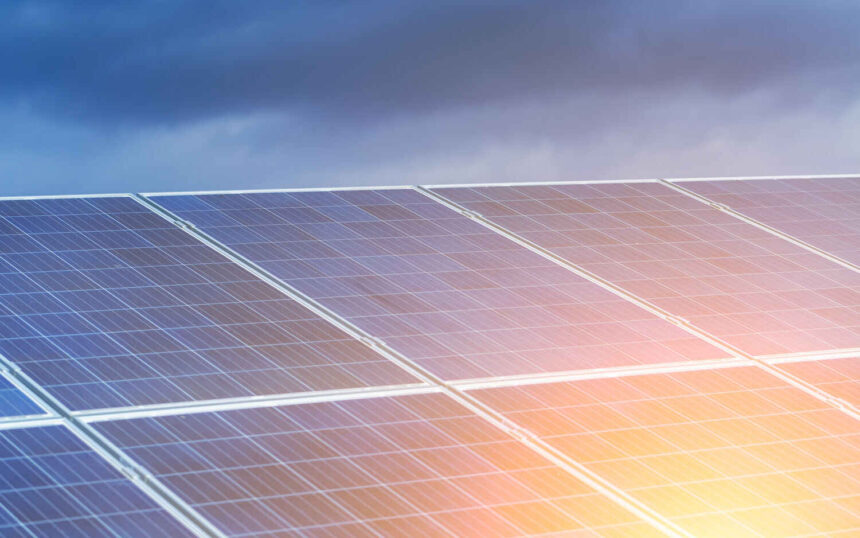
Can solar panels keep your lights on during a power outage?
It’s a common question for UK homeowners investing in solar energy.
At MAKSE Electrical and Renewables, we often advise clients that solar panels alone won’t power your home during a blackout. But don’t worry, there are solutions. Understanding how solar systems interact with the grid, and how battery storage can help, is key to keeping your home running even when the mains supply fails.
In this guide, we’ll explain exactly how solar panels behave during power cuts, what technologies make backup power possible, and how you can stay prepared.
How Solar Panels Normally Work?
Solar panels generate electricity from sunlight, converting it into usable energy via an inverter. This inverter is crucial because it synchronises your system with the national electricity grid.
Key points about standard solar systems:
- They shut down automatically during a grid outage for safety reasons.
- Prevents backfeeding, which could harm utility workers repairing power lines.
- Your home loses solar power supply until mains electricity is restored.
Essentially, your panels keep producing electricity, but it cannot be used unless you have a specialised system.
According to Energy Saving Trust, solar PV systems without battery storage cannot supply power during a blackout due to safety mechanisms built into grid-tied inverters.
Why Solar Panels Don’t Work During a Power Cut?
It might seem counterintuitive. The sun is shining, yet your lights stay off.
Here’s why:
- Grid-Tied Safety: Modern inverters detect when the grid goes down and automatically stop energy flow.
- Risk of Backfeed: Sending electricity back into the grid could electrocute engineers repairing lines.
- Regulatory Requirements: UK electrical standards mandate that grid-connected solar systems cut off during outages.
So, while solar panels are efficient, they cannot replace mains electricity without additional technology.
How Battery Storage Changes the Game?
If you want power during a blackout, battery storage is essential.
Benefits of adding a solar battery system:
- Stores excess energy produced during the day
- Provides backup electricity at night or during a power cut
- Can power essential appliances: fridge, lights, charging points
Example: A 5kWh battery can supply enough energy to run essential devices in an average UK home for 4–6 hours during a blackout. Larger batteries extend this time.
At MAKSE Electrical and Renewables, we design solar systems integrated with batteries tailored to your home’s usage and energy goals.
What Can You Power During an Outage?
Not all appliances are equal when relying on battery storage.
Essential items to prioritise:
- Fridge and freezer
- Heating or hot water (small circuits)
- LED lighting
- Phone and laptop chargers
High-energy devices like electric showers, ovens, or washing machines may not be feasible unless you have a large-capacity battery system. Solar PV with storage can reduce reliance on the grid by up to 70%, according to GOV.UK
Grid-Independent Systems: Off-Grid Solar
For full independence, you can opt for off-grid solar systems:
- Function without the national grid entirely
- Require larger battery banks and sometimes backup generators
- More expensive and complex, but perfect for remote locations
Most UK homeowners prefer grid-tied solar with battery storage, as it balances safety, cost, and energy security.
Tips for Staying Powered During Power Cuts
- Install a solar battery for essential backup.
- Use energy-efficient appliances to stretch stored power.
- Monitor solar production via an app to plan usage.
- Maintain your panels and battery regularly for maximum efficiency.
- Consider UPS systems for critical electronics like medical devices.
Why Choose MAKSE Electrical and Renewables?
We offer complete solar solutions, including:
- Custom solar panel installations
- Battery storage integration for backup power
- Full compliance with UK electrical regulations
- Professional design and maintenance
Our team ensures your solar system not only reduces your energy bills but also provides resilience when you need it most.
FAQs
1: Can solar panels provide power without a battery?
No, standard grid-tied solar systems automatically shut down during blackouts.
2: How long will a solar battery last during a power cut?
Typically, 4–6 hours for a medium-sized battery powering essential devices.
3: Can I add a battery to an existing solar system?
Yes, MAKSE Electrical and Renewables can retrofit batteries to existing installations.
4: Are solar batteries safe in the UK?
Absolutely. We install fully certified systems that comply with UK safety standards.
Conclusion
Solar panels are excellent for generating electricity and lowering bills. However, without battery storage, they won’t work during a power cut due to safety features in grid-tied inverters. By combining solar PV with a reliable battery system, your home can stay powered when the grid fails. MAKSE Electrical and Renewables offers expert installation, tailored to your energy needs and UK regulations.
Don’t let a blackout leave you in the dark. Contact us today to discuss solar with battery storage solutions for your home.