How to Install a Fuse Board?
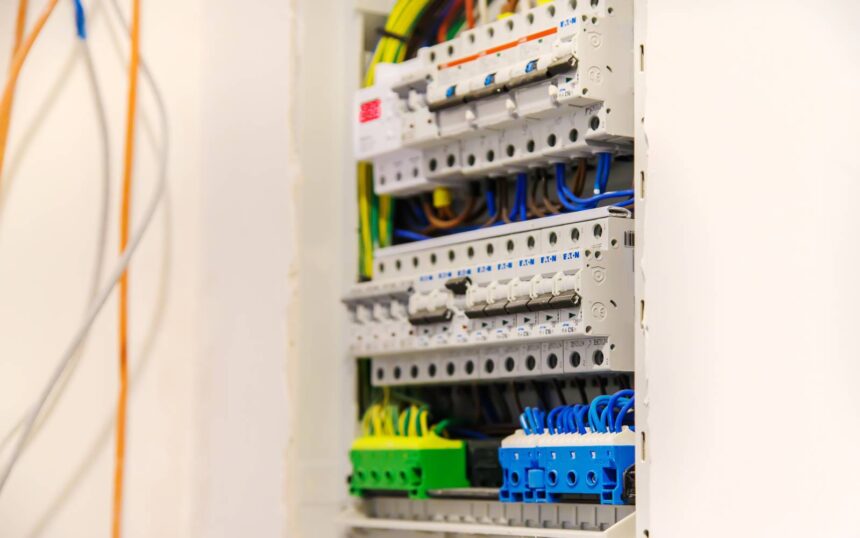
Your fuse board, also called a consumer unit, is the central hub of your home’s electricity. It keeps your property safe by distributing electricity to all circuits and protecting against overloads, short circuits, and potential fire hazards.
If you’re wondering how to install a fuse board, it’s important to know this is not a DIY task. Fuse board installation is a technical job that requires qualified electricians, specialised tools, and strict adherence to UK safety regulations. At MAKSE Electrical & Renewables, we help homeowners across Staffordshire upgrade and install fuse boards safely and efficiently.
This guide will explain the process, tools, safety tips, and benefits of installing a fuse board, giving you confidence in maintaining a secure electrical system.
Why does installing a Fuse Board Correctly Matter?
A fuse board might seem like a simple box on the wall, but it’s a vital safety device. Improper installation can lead to:
- Electric shocks or electrocution
- Overloaded circuits and frequent power trips
- Fire hazards from outdated wiring
- Damage to electrical appliances
Outdated or faulty consumer units contribute to thousands of house fires in the UK annually. Installing a modern, RCD-protected fuse board improves safety, reliability, and compliance with the latest BS 7671 wiring regulations.
Tools and Equipment Needed for Installation
Professional installation requires specific tools and materials, including:
- RCD-protected fuse board
- Screwdrivers, pliers, wire cutters
- Voltage tester and multimeter
- Insulated gloves and protective gear
- Circuit breakers, busbars, and connectors
- Screws and wall mounting brackets
Important: Only qualified, NICEIC-approved electricians should carry out this work. Attempting a DIY installation is illegal and extremely dangerous.
Step-by-Step Fuse Board Installation
Here’s how a professional installation typically works:
Step 1 – Isolate the Power
- Switch off the main supply at the meter
- Test all circuits using a voltage tester to ensure zero electricity
Step 2 – Remove the Old Fuse Board
- Carefully disconnect all existing circuits
- Label each wire to simplify reconnection
- Safely remove the old board
Step 3 – Mount the New Fuse Board
- Choose a dry, accessible location
- Secure the new consumer unit to the wall using screws and brackets
Step 4 – Connect Wiring
- Attach live, neutral, and earth cables correctly
- Install circuit breakers for each circuit
- Ensure RCD protection is installed for safety
- Double-check all connections for accuracy
Step 5 – Test and Certify
- Power on the unit and test each circuit
- Confirm there are no faults or voltage drops
- Issue certification of compliance for insurance and legal purposes
Costs of Fuse Board Installation in the UK
The cost of installing a fuse board varies depending on several factors:
- Standard homes: £250–£450
- Larger homes or multi-phase boards: £450–£700
- Older properties requiring rewiring: £700–£1,200
These prices typically include the board, breakers, labour, and certification. Choosing a professional service like MAKSE Electrical & Renewables ensures transparent pricing and no hidden charges.
Safety Tips During Installation
Even observing general safety rules at home is essential:
- Never attempt a DIY fuse board installation
- Always isolate power before touching electrical components
- Wear insulated gloves and safety goggles
- Use certified tools and equipment
- Hire qualified electricians to comply with UK law
Following these measures significantly reduces the risk of fire, shock, and costly damage.
FAQs
1: Can I install a fuse board myself?
A: No. Fuse board installation must be completed by a qualified electrician.
2: How long does installation take?
A: Most installations take 4–6 hours, depending on property size and complexity.
3: Do I need certification?
A: Yes. Certified installation is required for insurance and legal compliance.
4: How often should a fuse board be upgraded?
A: Typically, every 25–40 years, or sooner if the board is outdated or damaged.
Benefits of a Professional Fuse Board Installation
Upgrading or installing a fuse board comes with multiple advantages:
- Safety: Protects your home and family from electrical hazards
- Reliability: Reduces circuit trips and power interruptions
- Compliance: Meets UK wiring standards and legal requirements
- Future-proofing: Supports EV chargers, solar panels, and modern appliances
- Peace of mind: Professional installation with testing and certification
Why Choose MAKSE Electrical & Renewables?
At MAKSE Electrical & Renewables, we provide:
- Qualified, NICEIC-approved electricians
- Transparent, fixed pricing with no hidden fees
- Full installation, testing, and certification
- Support for EV chargers, solar systems, and rewiring
We prioritise safety, efficiency, and long-term reliability, ensuring your home’s electrical system is modern and protected.
- Faulty consumer units cause thousands of fires annually in the UK
- Modern RCD-protected boards reduce electric shock risk by over 60%
- Homes with outdated boards are 30% more likely to experience electrical hazards
Conclusion
Installing a fuse board is a critical safety task. A modern, professionally installed board ensures reliability, safety, and compliance with UK regulations. Whether upgrading an old system or preparing for modern electrical demands like EV chargers or solar panels, professional installation is essential.
At MAKSE Electrical & Renewables, we offer expert fuse board installation across the UK, giving homeowners peace of mind and a safe, future-ready electrical system. Book your fuse board installation today to ensure your home is protected and fully compliant.