Do Solar Panels Lose Efficiency Over Time?
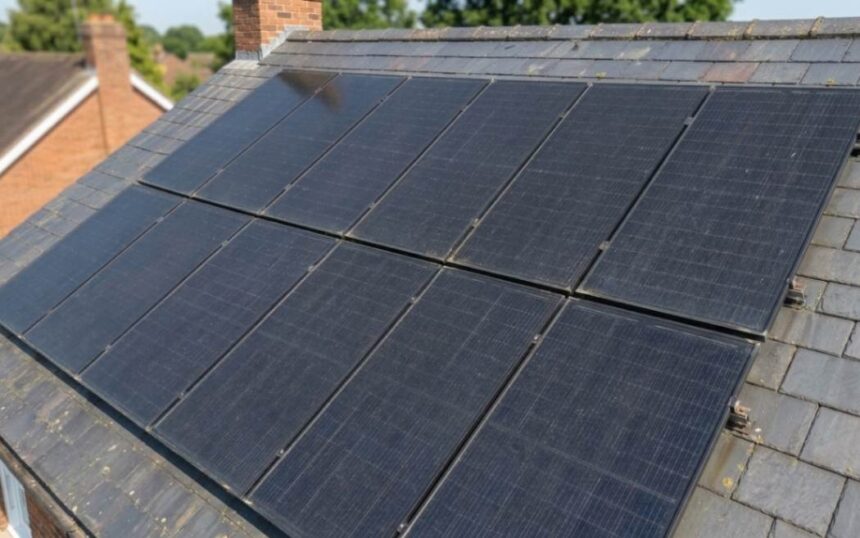
Yes, solar panels do lose efficiency over time. This is completely normal. Most panels degrade by just 0.3% to 0.8% per year.
That means after 25 years, your panels still work well. Most retain 80-90% of their original output. This slow decline is already factored into your solar quote and savings estimate.
At Makse Electrical & Renewables, we install and maintain solar systems across the UK. Here’s what really happens to panel efficiency, and how to slow it down.
Key Takeaways
- Average degradation rate: 0.3% to 0.8% per year
- After 25 years: most panels still produce 80-90% of original output
- UK’s mild climate helps panels degrade slower than hot climates
- Regular cleaning and inspections reduce unnecessary losses
- Most manufacturers guarantee performance for 25 years
What is Solar Panel Degradation?
Degradation simply means gradual power loss. It’s the natural ageing process for every solar panel.
Panels are tested when brand new under lab conditions. This gives their original rated output, known as nameplate capacity.
Over time, that output slowly drops. If a 400-watt panel now produces 396 watts, it has lost 1% of its power. This is normal wear, not a fault.
How Much Do Solar Panels Degrade Each Year?
Most modern panels lose between 0.3% and 0.8% of output yearly. Higher-quality panels tend to sit at the lower end.
Here’s a simple example. A panel losing 0.5% yearly will still generate around 86-88% of its original power after 25 years.
Panel Type and Typical Degradation
- Monocrystalline panels: 0.25%-0.4% per year, the slowest degrading option
- Standard polycrystalline panels: 0.6%-0.8% per year
- Newer N-type panels: 0.3%-0.5% per year, improving on older technology
- Older thin-film panels: can degrade faster, often above 0.8%
Better materials and manufacturing quality make the biggest difference here.
Why Do Solar Panels Lose Efficiency?
Several natural and environmental factors cause this slow decline. Most are unavoidable, but manageable.
- Light-induced degradation: a small, one-time drop happening in the first few months of sunlight exposure
- Thermal cycling: daily heating and cooling causes tiny material expansion and contraction
- UV exposure: constant sunlight gradually wears down protective coatings
- Moisture ingress: small amounts of water can corrode internal connections over years
- Soiling: dust, pollen and bird droppings block sunlight and reduce output
- Microcracks: minor cracks from hail, wind or heavy snow slightly reduce conductivity
None of these cause sudden failure. They just add up slowly, over many years.
Does the UK Climate Affect Degradation Rates?
Yes, and actually in a good way. The UK’s mild weather helps panels degrade more slowly than in hotter countries.
Extreme heat speeds up material breakdown and thermal stress. The UK rarely sees these extremes, so panels experience less strain.
Regular British rain also helps. It naturally washes away light dust and pollen, reducing soiling-related losses.
How Long Will My Solar Panels Actually Last?
Most panels carry a 25-year performance warranty. But their real functional lifespan often runs much longer.
Many UK installations continue working well into 30 years or beyond. Panels don’t suddenly stop working. They just produce gradually less power each year.
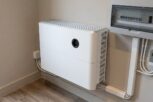
Your inverter, however, usually needs replacing sooner. Most inverters last 10-15 years before requiring an upgrade.
Warranty Coverage vs Real-World Performance
- 25-year warranty: guarantees at least 80-87% output at year 25
- Real-world Tier-1 panels: often perform slightly better than warranty minimums
- Inverters: typically need replacing once during the panel’s lifetime
- World’s oldest solar panel: still functioning after more than 60 years
Can I Slow Down Solar Panel Degradation?
Yes, several simple habits help protect your system’s performance. None require major cost or effort.
- Clean your panels occasionally to remove dust, pollen and bird droppings
- Trim nearby trees to prevent excess shading
- Check for visible cracks or damage every 6-12 months
- Book a professional inspection every 1-2 years
- Monitor your system’s app or portal for sudden output drops
Catching small issues early prevents bigger performance losses later.
Real Example: Monitoring Pays Off
One of our Leeds customers noticed a sudden dip in their app after three years. Output had dropped more than expected for their panel’s age.
Our engineer found a loose connector, not normal degradation. After the fix, output returned to expected levels immediately.
Without regular monitoring, this fault could have gone unnoticed for years, quietly reducing their savings.
Does Degradation Affect My Savings?
Slightly, but it’s already priced into your original savings estimate. Installers factor in gradual decline when calculating your payback period.
Even at year 20, a well-maintained system still produces strong output. Your electricity bill savings remain substantial for decades.
Frequently Asked Questions
- Do solar panels stop working after 25 years?
No. Most panels keep generating electricity well beyond their 25-year warranty. They simply produce slightly less power each year. - What’s a normal degradation rate for UK solar panels?
Most panels degrade between 0.3% and 0.8% per year. Monocrystalline panels usually sit toward the lower, better end of that range. - Does cleaning my panels reduce degradation?
Cleaning doesn’t stop natural degradation, but it prevents extra losses from dust and dirt. Regular cleaning keeps output closer to its true potential. - Will my panels degrade faster in cold UK winters?
No. Cold weather doesn’t accelerate degradation. In fact, panels often perform more efficiently in cooler temperatures. - How do I know if my panels are degrading normally?
Check your monitoring app regularly. A gradual, small yearly dip is normal. A sudden drop usually signals a fault, not degradation. - Should I replace my panels once they hit 80% output?
Not necessarily. Many homeowners keep panels running well below 100% output, since they’re still generating valuable free electricity. - Do all panel brands degrade at the same rate?
No. Panel quality matters. Premium monocrystalline and N-type panels typically degrade slower than older polycrystalline or thin-film options. - Does shading speed up degradation?
Shading doesn’t directly speed up degradation, but it can cause hotspots over time. This may lead to localised damage if left unaddressed.
Keep Your System Performing at Its Best
Degradation is natural, but neglect isn’t. Regular checks keep your system running closer to its full potential for decades.
Makse Electrical & Renewables offers solar maintenance and performance checks across the UK. Book an inspection or explore our solar servicing options to protect your investment.