Can Solar Panels Be Installed on All Roof Types?
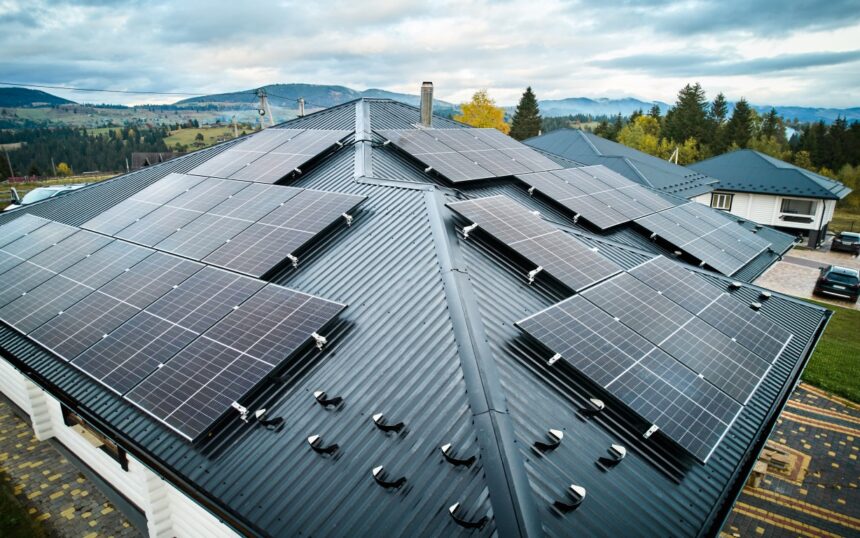
Thinking about solar panels, roof types in the UK, before installing?
That is a smart place to start.
Not every roof is the same. Some work perfectly for solar. Others need adjustments before installation begins. The good news is simple. Most UK homes can support solar panels. You just need the right design and expert installation. This guide explains which roofs work best. It also shows how to make any roof solar-ready.
Do All Roof Types Support Solar Panels?
Most do. But not all are ideal. Solar panels can be installed on many roof styles. However, efficiency and cost may vary.
Common UK roof types that support solar:
- Pitched roofs (most common and ideal)
- Flat roofs (require mounting systems)
- Slate roofs (need specialist handling)
- Tile roofs (easy and common for installations)
Each roof type has its own installation method. A professional survey helps determine the best approach.
Best Roof Types for Solar Panels
Some roofs perform better than others.
1. Pitched Roofs (Most Suitable)
Pitched roofs are perfect for solar panels.
Why they work well:
- Natural angle improves energy production
- Easier installation process
- Lower installation costs
South-facing pitched roofs perform best in the UK. South-facing panels can generate the highest energy output.
2. Tile Roofs (Very Common in the UK)
Tile roofs are ideal for solar installation.
Benefits include:
- Easy to work with
- Strong and durable structure
- Widely used across UK homes
Installers can safely mount panels without major changes.
3. Slate Roofs (Requires Expertise)
Slate roofs need extra care during installation.
Challenges include:
- Fragile material
- Special mounting equipment required
- Higher labour costs
But with experienced installers like MAKSE, Solar panels can still be fitted safely.
4. Flat Roofs (Flexible Option)
Flat roofs can support solar panels with adjustments.
How they work:
- Panels are mounted on angled frames
- Orientation can be customised
- Ideal for modern homes or extensions
Flat roofs offer flexibility but may cost slightly more.
Roof Types That Need Extra Consideration
Some roofs are less straightforward.
These may require specialist solutions:
- Thatched roofs (rarely suitable)
- Weak or ageing roofs
- Roofs with heavy shading
- Complex roof shapes
In such cases, structural checks are essential. The UK Government advises ensuring your roof is structurally sound before installing solar systems.
Does Roof Direction and Angle Matter?
Yes. This affects how much energy you generate.
Best setup for UK homes:
- South-facing roof for maximum sunlight
- East or west-facing still works well
- Ideal tilt angle between 30 and 40 degrees
Even if your roof is not perfect, solar still works. Modern systems are designed to maximise output in all conditions.
What If My Roof Is Not Suitable?
You still have options.
Alternative solutions include:
- Ground-mounted solar panels
- Solar panels on garages or outbuildings
- Flat roof frame systems
- Adjusted panel angles for better efficiency
A professional installer will always find a solution.
How Much Roof Space Do You Need?
Space matters when planning solar installation.
Typical requirements:
- Around 10–20 square metres for standard systems
- Larger systems need more space
- Fewer panels still provide savings
Even smaller roofs can benefit from solar energy.
Why Professional Installation Matters?
Solar is not a DIY job. Proper installation ensures safety and performance.
With MAKSE Electrical and Renewables, you get:
- Fully certified installers
- Safe and compliant systems
- Custom design for your roof type
- Long-term performance and reliability
Need a quote before installation?
https://makseelectrical.co.uk/services/solar-installation/
Choosing experts avoids costly mistakes later.
Facts, Stats and Insights
- Over 1.3 million UK homes now use solar energy
- Solar can cut electricity bills by up to 70%
- Most systems last 25+ years
- Installation usually takes 1–2 days
These numbers show solar is a reliable long-term investment.
FAQs
1. Can solar panels be installed on flat roofs?
Yes. They use angled frames for maximum sunlight exposure.
2. Are slate roofs suitable for solar panels?
Yes. But they require experienced installers and specialist tools.
3. What roof direction is best for solar in the UK?
South-facing roofs provide the highest energy output.
4. Can old roofs support solar panels?
Only if they are structurally sound. A survey is required.
5. What if my roof is not suitable?
Ground-mounted or alternative installations are available.
Final Thoughts
Solar panels, roof types, and UK concerns are common. But they should not stop you moving forward. Most roofs can support solar panels with the right setup. Even complex roofs have practical solutions. The key is expert installation and proper planning. With MAKSE Electrical and Renewables, your roof is in safe hands.