What is the Difference Between Solar PV and Solar Thermal?
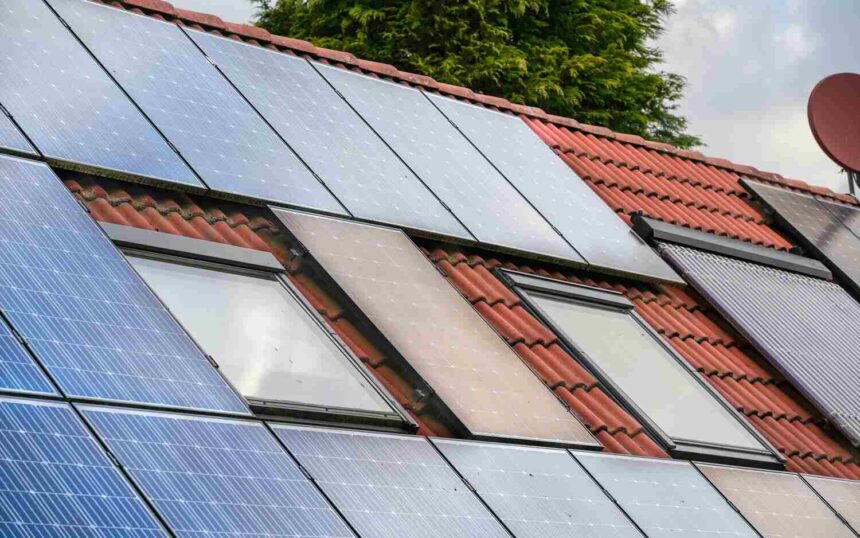
What is the difference between solar PV and solar thermal?
It is a question many UK homeowners ask.
Both systems use sunlight. But they work in very different ways. At MAKSE Electrical and Renewables, we help homeowners choose the right renewable solution based on their energy needs. If you are planning to reduce bills and improve efficiency, understanding the difference between these two technologies is essential.
Let’s break it down simply.
What is Solar PV?
Solar PV (photovoltaic) panels generate electricity. They convert daylight into usable power for your home.
Here is how they work:
- Panels absorb sunlight
- Cells convert light into DC electricity
- An inverter turns it into usable AC power
- Energy powers your home appliances
Any unused electricity can be stored in a battery or exported to the grid. Solar PV is the most common system installed in UK homes today. Solar PV systems can significantly reduce household electricity bills while lowering carbon emissions.
What is Solar Thermal?
Solar thermal systems work differently. They do not produce electricity. Instead, they heat water using sunlight.
Here is how:
- Solar collectors absorb heat from the sun
- Heat transfers to a fluid inside the system
- This heat warms water stored in a cylinder
- Hot water is used for showers, taps, and heating support
Solar thermal is mainly used for domestic hot water rather than powering appliances.
Key Differences Between Solar PV and Solar Thermal
Understanding the difference is simple when broken down.
1. Purpose
- Solar PV: Generates electricity
- Solar Thermal: Heats water
2. Usage
- Solar PV: Powers appliances, lighting, EV charging
- Solar Thermal: Supplies hot water for household use
3. Flexibility
- Solar PV: Works with batteries and EV chargers
- Solar Thermal: Limited to heating applications
4. Popularity in the UK
- Solar PV is far more widely installed
- Solar thermal is less common in modern homes
5. Long-Term Value
- Solar PV offers broader savings across energy bills
- Solar thermal mainly reduces water heating costs
Solar PV adoption continues to grow rapidly across the UK due to its versatility and long-term benefits.
Which System is Right for Your Home?
The right choice depends on your priorities.
Choose solar PV if you want:
- Lower electricity bills
- Energy independence
- EV charging capability
- Battery storage integration
Choose solar thermal if you want:
- Reduced hot water costs
- Simple heating support
- Lower initial system complexity
For most UK households, solar PV offers greater flexibility and return on investment. At MAKSE Electrical and Renewables, we mainly install solar PV systems because they deliver wider benefits and future-proof your home.
Costs, Savings, and Performance
Solar PV
- Typical system cost: £5,000–£8,000
- Lifespan: 25–30 years
- Can reduce electricity bills significantly
- Works all year round, even in cloudy conditions
Solar Thermal
- Typical system cost: £3,000–£5,000
- Lifespan: 20–25 years
- Reduces hot water heating costs
- Output depends heavily on seasonal sunlight
Solar PV provides more consistent value because it supports your entire energy use, not just water heating.
Why Solar PV is Leading in the UK?
Solar PV is becoming the preferred choice for homeowners.
Reasons include:
- Rising electricity prices
- Growth of electric vehicles
- Increased demand for battery storage
- Greater flexibility in energy use
Solar PV systems can also be expanded in the future, making them a scalable solution.
How MAKSE Electrical and Renewables Can Help?
We provide tailored solar solutions designed for your property.
Our services include:
- Solar panel installation
- Battery storage integration
- EV charger installation
- Full system design and assessment
We focus on performance, safety, and long-term savings. We do not just install panels. We build complete energy systems.
FAQs
1. Is solar PV better than solar thermal?
For most homes, yes. It offers more flexibility and broader savings.
2. Can I install both systems together?
Yes, but most homeowners prioritise solar PV for better value.
3. Do both systems work in the UK weather?
Yes. Both use daylight, not heat, so they work year-round.
4. Which system saves more money?
Solar PV typically saves more because it reduces electricity bills.
Final Thoughts
So, what is the difference between solar PV and solar thermal?
Solar PV generates electricity. Solar thermal heats water. Both use sunlight. But solar PV offers far greater flexibility and long-term value. If you want to reduce energy bills, power your home, and prepare for the future, solar PV is the smarter choice. At MAKSE Electrical and Renewables, we help UK homeowners make the right decision with expert advice and professional installation. Ready to switch to solar? Get in touch today and start your journey towards cleaner, smarter energy.